Hyperbaric oxygen therapy (HBOT) can help clear a bone infection that keeps coming back after surgery and antibiotics. It does not replace those treatments. It works alongside them by raising oxygen levels in infected, poorly supplied bone so the body's white blood cells and antibiotics can do their job. Medicare covers it for chronic refractory osteomyelitis when it is medically necessary.[1]
On this page
What is chronic refractory osteomyelitis?
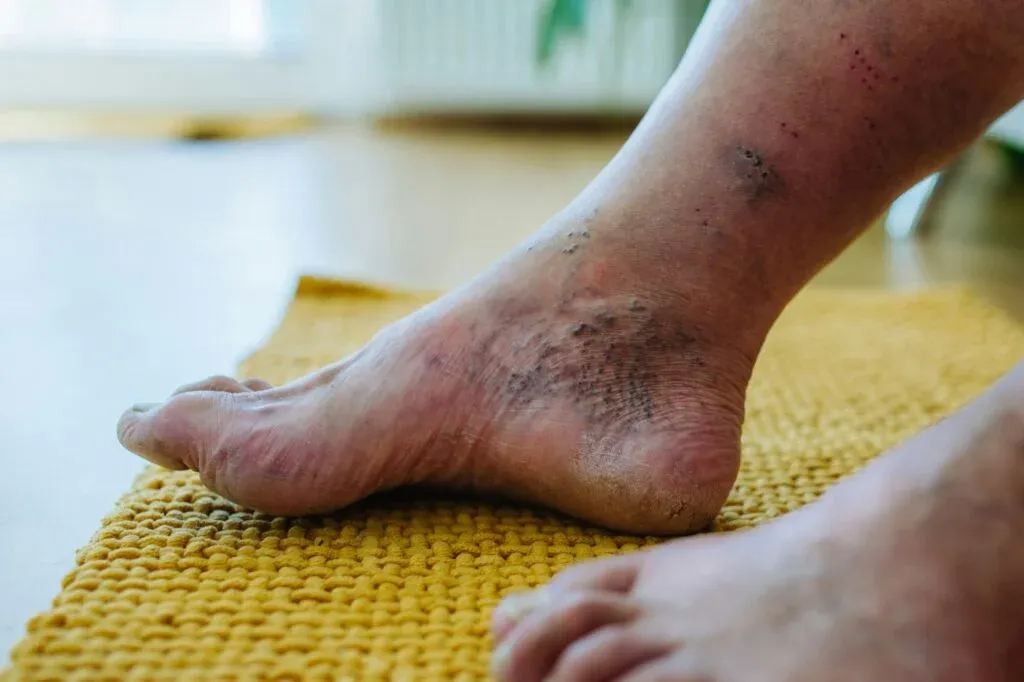
Osteomyelitis is an infection of the bone or bone marrow, usually caused by bacteria.[2] Many cases start after an injury, a fracture repair or surgery, or from a wound that reaches the bone, such as a deep diabetic foot ulcer. Post-traumatic infections make up close to half of cases, and people with diabetes or a weakened immune system are at higher risk.[7]
The word refractory means the infection has not responded to standard care. Doctors use the term when osteomyelitis persists or comes back after surgical debridement (removing infected bone and tissue) and several weeks of antibiotics chosen from culture results. Clinical references describe this as no meaningful improvement after about 4 to 6 weeks of appropriate treatment.[7]
Common signs include a wound or opening that keeps draining, pain over the bone, swelling, and a wound that heals and then reopens. If you have a fever, spreading redness or feel unwell, contact your physician promptly.
Why are bone infections so hard to clear?
Infected bone often has poor blood flow. Scar tissue, dead bone and hardware from earlier surgery can leave pockets where oxygen levels are very low. That matters for two reasons:
- White blood cells need oxygen to kill bacteria. Neutrophils, the body's first-line infection fighters, need tissue oxygen levels of about 30 to 40 mmHg to destroy bacteria effectively. Infected bone often sits well below that.[2]
- Antibiotics need a working blood supply to reach the infection. When circulation in the area is poor, less medicine gets where it is needed.
This is why some infections linger even after well-performed surgery and a full antibiotic course.
How does hyperbaric oxygen therapy help osteomyelitis?
During HBOT you rest in a pressurized chamber and breathe 100% oxygen. The pressure lets far more oxygen dissolve directly into your blood plasma, which carries it into tissue that red blood cells struggle to reach. Treatments are typically given at 2 to 3 times normal atmospheric pressure for 90 to 120 minutes, once a day.[7]
Raising oxygen in infected bone back toward normal restores the ability of white blood cells to kill bacteria, including Staphylococcus aureus, the most common cause of bone infection.[2] Over a course of treatments, higher oxygen levels also support the growth of new small blood vessels and the repair of bone and soft tissue, which helps the area stay healed after treatment ends.
HBOT is always part of a team plan. The Undersea and Hyperbaric Medical Society (UHMS) notes that results are best when hyperbaric oxygen is combined with culture-directed antibiotics and started soon after any clinically needed surgery.[2]
What does the research show?
There are no large randomized trials of HBOT for refractory osteomyelitis. The UHMS reviewed the available evidence, including animal studies, case series and non-randomized trials, and concluded that adding HBOT to surgery and antibiotics is safe and improves the rate of infection resolution. It rates HBOT as a Class II recommendation for this condition.[2]
Some of the key findings:
- Systematic review, 2018: 45 studies covering 460 patients, all of whom had already received antibiotics and surgical debridement. Of 419 patients with complete data, 308 (73.5%) had a successful outcome with no reported relapse. The authors concluded the evidence supports a potentially beneficial role for HBOT, especially in refractory cases.[3]
- Journal of Bone and Joint Surgery, 1986: 38 patients treated with debridement, prolonged IV antibiotics and an average of 48 HBOT sessions. Thirty-four remained free of clinical signs of osteomyelitis for an average of 34 months.[4]
- Duke University, tibia infections: patients treated with surgery, antibiotics and an average of 35 HBOT sessions. At 60 months, 12 of 15 patients (80%) with follow-up were free of drainage.[5]
- Foot osteomyelitis, 2024: an observational study of 80 patients with chronic refractory osteomyelitis of the foot treated with HBOT after surgical debridement and tailored antibiotics supports HBOT as a useful adjunct.[6]
These are encouraging results, but every patient is different. How well HBOT works depends on the location of the infection, how much dead bone is present, blood flow, diabetes control, smoking and overall health. Individual results vary.
Who is a good candidate?
HBOT is usually considered when:
- You have a confirmed chronic bone infection that has persisted or returned despite appropriate antibiotics and surgery.
- Your surgeon and infectious disease physician are on board with an add-on treatment.
- Major surgery is risky or not possible, for example infections of the skull, spine or breastbone. In these cases the UHMS suggests a trial of culture-directed antibiotics with HBOT before more extensive surgery.[2]
Before starting, your hyperbaric physician reviews your medical history, medications, lungs and ears to make sure treatment is safe for you.
What to expect during treatment
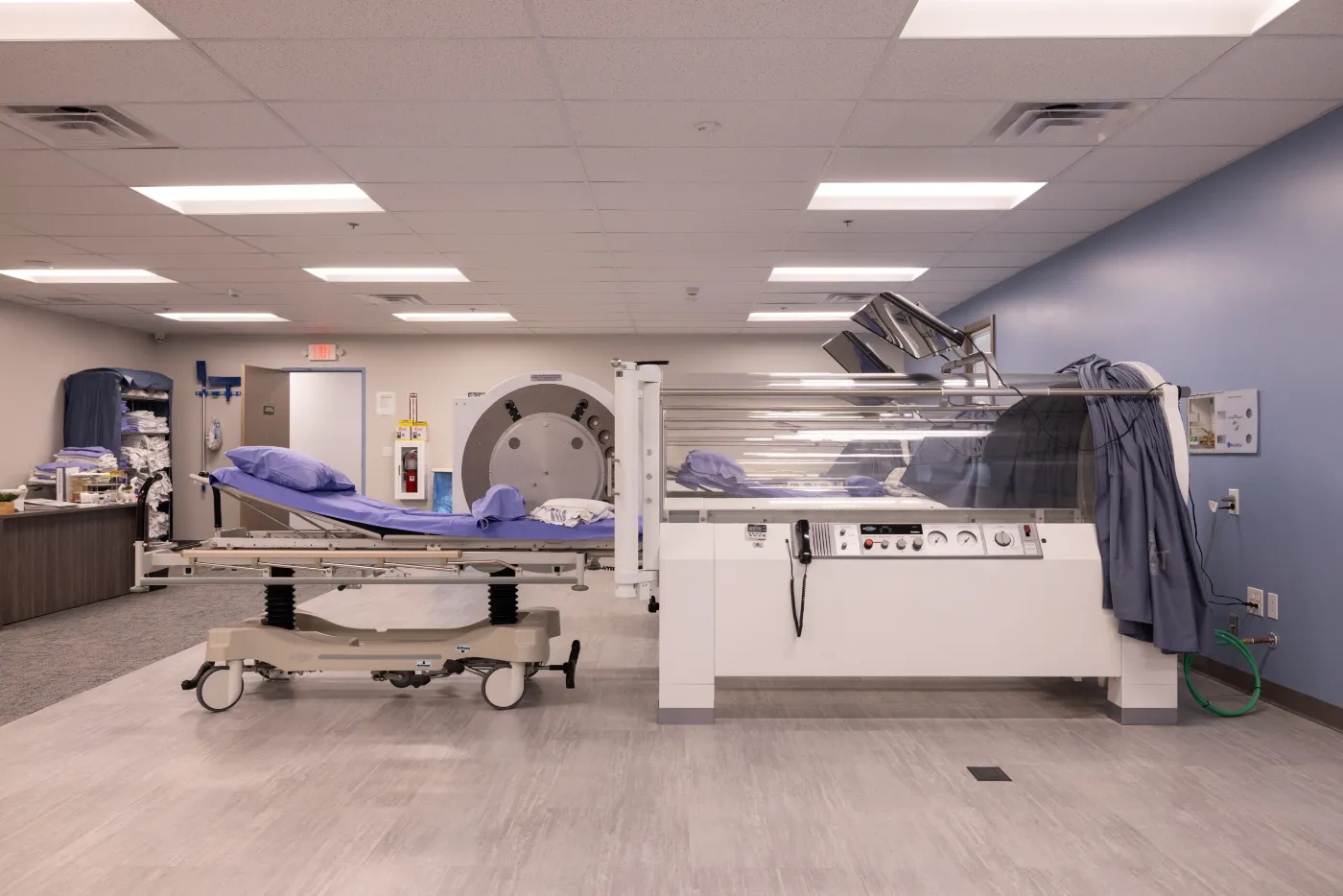
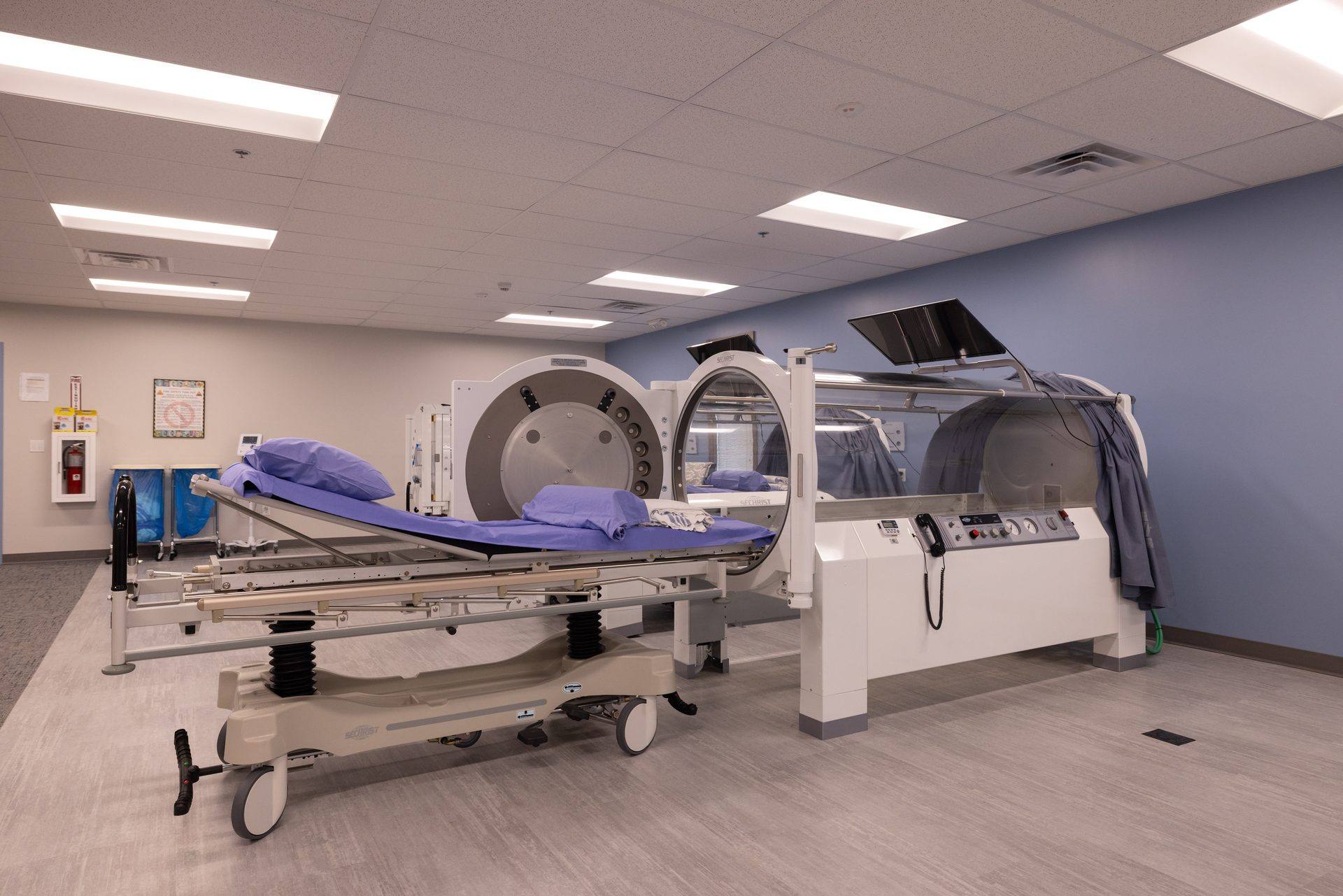
At RevitalizeMe, treatments take place in a Sechrist hard-shell acrylic chamber, which is FDA-cleared for medical hyperbaric therapy. You lie down in the clear chamber, can watch TV or rest, and a trained technologist monitors you throughout. Each session runs about 90 minutes at treatment pressure, and a physician supervises every treatment per CMS coverage criteria.
Most osteomyelitis courses are 20 to 40 sessions, five days a week.[7] The most common sensation is ear fullness during pressurization, similar to landing in an airplane, and our team teaches you simple ways to clear your ears. We keep your surgeon and infectious disease doctor updated on your progress. To learn more about the experience, read what to expect at your first HBOT session.
Only hard-sided, medical-grade chambers deliver the pressure used in these studies. Soft-sided or "mild" chambers are not FDA-cleared for treating osteomyelitis and do not meet Medicare coverage criteria.
Does insurance cover HBOT for osteomyelitis?
Yes, in many cases. Medicare's National Coverage Determination 20.29 covers HBOT for "chronic refractory osteomyelitis, unresponsive to conventional medical and surgical management."[1] Medicaid and most major private insurance plans also cover it when it is medically necessary. Coverage requires documentation that standard treatment has not worked, so records from your surgeon and infectious disease physician matter. Our team will help verify your coverage and handle insurance paperwork, including prior authorization, before your first treatment. For more detail, see does Medicare cover hyperbaric oxygen therapy.
Getting evaluated in Saginaw
If you or a patient you care for has a bone infection that keeps coming back, an evaluation can tell you whether HBOT fits the treatment plan. At your first visit we review imaging, cultures and prior treatment, examine any wounds, and coordinate with your surgeon and infectious disease physician. Learn more about chronic refractory osteomyelitis treatment at RevitalizeMe and our hyperbaric oxygen therapy program, or browse all conditions we treat.
Call (989) 320-4434 to talk with our care team. Physicians can refer by phone, fax or our secure online form.