If your wound is not healing after about four weeks, something is usually holding it back. The most common reasons are poor blood flow, high blood sugar, infection, pressure on the wound, leg swelling, or nutrition and lifestyle factors, and most of them can be found and treated once someone looks for them.[1]
A slow wound is not your fault, and it does not mean it will never heal. It means the wound needs a closer look. This guide walks through the usual causes, what you can do at home, and when it is time to see a wound care specialist.
On this page
- How long should a wound take to heal?
- Why is my wound not healing? 8 common reasons
- Could it be something less common?
- What can I do at home?
- When should I see a wound care specialist?
- What does a wound care center do differently?
- Can hyperbaric oxygen therapy help a wound that won't heal?
- Getting evaluated in Saginaw
How long should a wound take to heal?
Healthy skin heals in an organized order: bleeding stops, inflammation cleans the area, new tissue fills in, and the skin closes and strengthens. Each step has to happen on time for the next one to start.[1]
Most small cuts and scrapes close within a couple of weeks. A wound that gets stuck in one of those steps and stops making progress is called a chronic wound. Common examples are diabetic foot ulcers, venous leg ulcers and pressure injuries.[2] Many wound specialists use about four weeks without clear improvement as the point to look harder for a cause.
Why is my wound not healing? 8 common reasons
1. Poor blood flow
Blood carries the oxygen and nutrients a wound needs to rebuild tissue. When arteries in the legs are narrowed, the wound may not get enough of either. Wounds from poor arterial flow are often on the toes, heels or shins, look pale or dry, and may hurt more when you lie flat or raise your legs. Checking circulation is one of the first steps in any stalled leg or foot wound, and sometimes a vascular specialist needs to improve the blood flow before the wound can close. Learn more about arterial ulcers.
2. High blood sugar
Diabetes slows healing in several ways. High blood sugar affects the cells that fight infection and build new tissue, and nerve damage can keep you from feeling a wound or the pressure on it.[1] Bringing blood sugar into your target range is part of wound treatment, not something separate from it. People with diabetes should have any foot wound checked early. See our page on diabetic foot ulcers.
3. Infection
Bacteria can keep a wound inflamed so it never moves on to the rebuilding stage. Some infections are obvious, with redness, warmth, swelling, pus or a bad smell. Others are quieter, especially in people with diabetes or poor circulation, and the only sign may be a wound that has stopped improving. An infection that reaches the bone (osteomyelitis) is a common reason foot wounds keep coming back and needs specific treatment.[3]
4. Pressure on the wound
A wound cannot heal if it is pressed on all day. This is the main problem with foot ulcers on the bottom of the foot and with pressure injuries on the hips, tailbone and heels. Offloading means taking the weight off the wound, for example with a special boot, cast, shoe insert, cushion or a regular turning schedule. International diabetic foot guidelines treat offloading as a core part of healing plantar foot ulcers.[3] More on pressure injuries.
5. Leg swelling and vein problems
When leg veins do not move blood back to the heart well, fluid builds up in the lower legs. The skin gets stretched, discolored and fragile, and wounds near the ankle are slow to close. These are venous leg ulcers. A Cochrane review found that venous ulcers heal faster with compression than without it, and that multi-layer systems work better than single-layer bandages.[4] Compression should be fitted after your circulation has been checked. See venous stasis ulcers.
6. Nutrition
Your body needs protein, calories, vitamins and minerals to build new tissue. Poor appetite, weight loss or a very limited diet can slow healing, especially in older adults.[1] If you have lost weight without trying, mention it to your care team.
7. Smoking
Smoking narrows blood vessels and reduces the oxygen that reaches healing tissue. In a large review of surgical patients, smokers had about twice the odds of delayed healing or a wound reopening compared with nonsmokers.[5] Cutting back or quitting can help. Your primary care doctor can help you find a plan that works for you.
8. Medicines and other health conditions
Some medicines, such as long-term steroids and certain cancer treatments, can slow healing. So can older age, kidney disease, past radiation to the area and other conditions.[1] Do not stop any medicine on your own. Bring a full list to your wound visit so the team can see the whole picture.
Could it be something less common?
Most stalled wounds have one of the causes above. A small number are caused by something else, such as an inflammatory skin condition or, rarely, a skin cancer that looks like an ulcer. Warning signs include raised or rolled edges, tissue that keeps growing above the skin, or a wound that has not healed for months despite good care. In these cases a wound specialist may take a small tissue sample (biopsy). A biopsy is the standard way to rule out cancer in a wound that will not heal.[6]
What can I do at home?
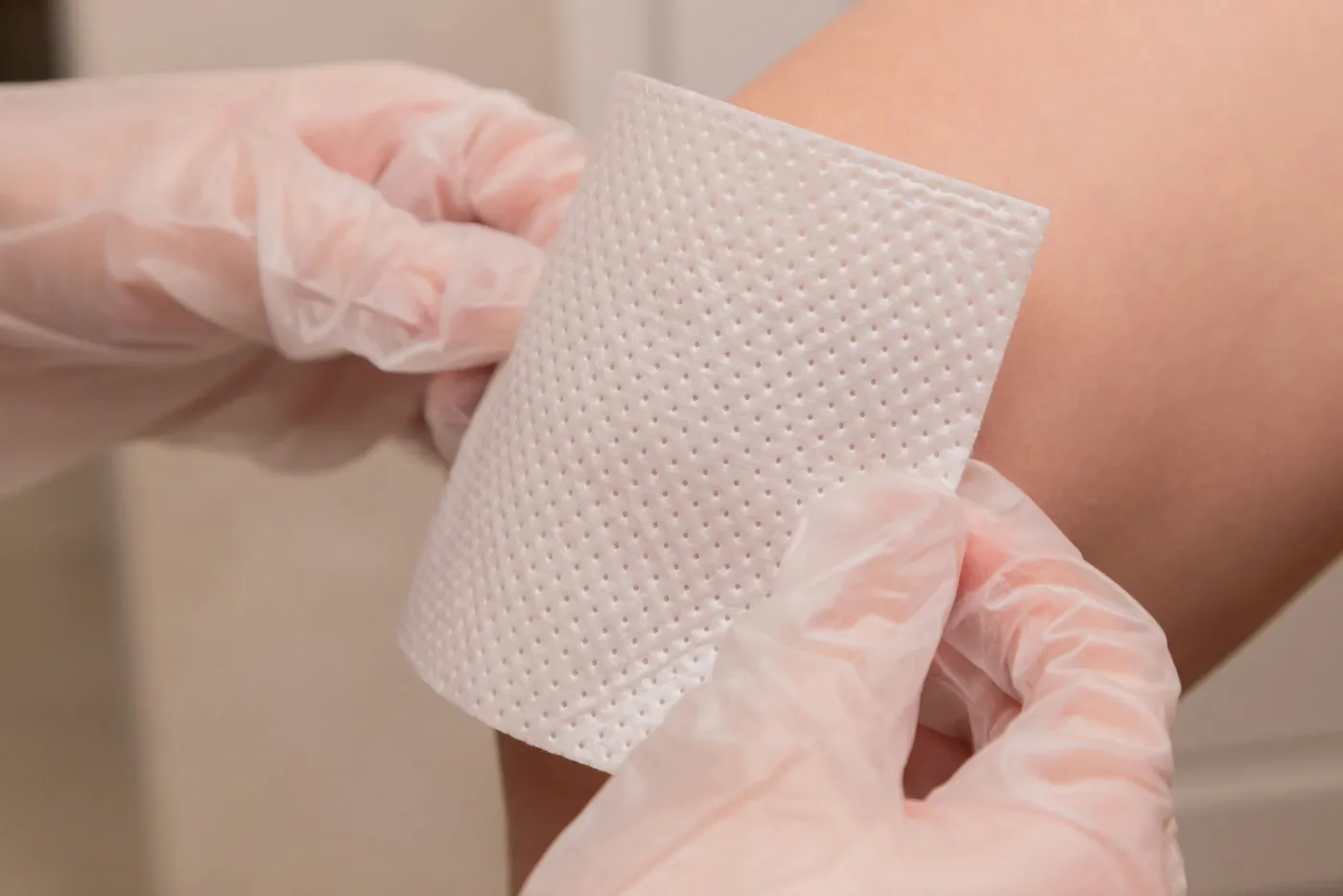
- Follow your dressing plan. Change dressings as directed and keep the wound clean. Do not switch products on your own.
- Keep pressure off it. Wear the boot, shoe or cushion you were given, even for short trips around the house.
- Raise swollen legs when you sit, unless your doctor has told you not to.
- Check your blood sugar and work with your doctor to keep it in range.
- Eat enough protein at each meal, unless you have been told to limit it.
- Look at the wound each time you change the dressing. A quick phone photo every few days makes changes easier to see.
When should I see a wound care specialist?
Ask for a wound evaluation if:
- The wound has not clearly gotten smaller in about 4 weeks.
- You have diabetes and any wound on your foot.
- The wound keeps closing and reopening.
- You have poor circulation, leg swelling or a history of radiation to the area.
Get medical care the same day, or go to the nearest emergency department, if you have fever or chills, redness spreading away from the wound, new or rapidly worsening pain, a bad smell with dark or dying tissue, or you feel very unwell. Our related article How Do I Know If My Wound Needs a Specialist? covers these warning signs in more detail.
What does a wound care center do differently?
A wound specialist looks for the reason the wound is stuck, then treats that reason alongside the wound itself.[2] At a first visit that usually includes:
- Measuring the wound so progress can be tracked week to week
- Checking blood flow and coordinating with a vascular specialist when needed
- Looking for infection, including bone infection
- Debridement, which means gently removing dead or unhealthy tissue so healthy tissue can grow
- Choosing dressings that fit the wound, plus offloading or compression
- Working with your primary care doctor on blood sugar, nutrition and medicines
For some wounds that have not improved with this kind of care, advanced options such as skin substitute grafts or hyperbaric oxygen therapy may be considered.
Can hyperbaric oxygen therapy help a wound that won't heal?
Hyperbaric oxygen therapy (HBOT) means breathing 100% oxygen inside a pressurized chamber. This raises the amount of oxygen in your blood and tissues, which may help wounds that are low on oxygen. HBOT is an add-on to good wound care, not a replacement for it.
A Cochrane review found that HBOT improved healing of diabetic foot ulcers in the short term (at about 6 weeks), but the benefit was not clear at one year and more high-quality trials are needed.[8] Individual results vary.
Medicare covers HBOT for diabetic wounds of the lower legs and feet only in specific cases: the wound must be Wagner grade 3 or higher, and it must show no measurable signs of healing after at least 30 days of standard wound care.[7] When those criteria are met, HBOT is covered by Medicare, Medicaid and most private insurance plans when medically necessary. Other Medicare-covered indications, such as chronic bone infection and late radiation injury, have their own criteria. All HBOT at RevitalizeMe is performed under physician supervision according to CMS coverage criteria.
HBOT for other slow-healing wounds that are not diabetic foot wounds, called "problem wounds," is a different case. This indication is recognized by the Undersea and Hyperbaric Medical Society (UHMS) but is not currently covered by Medicare under NCD 20.29. Coverage may be available through select commercial insurance plans. Our team can help verify your specific coverage and tell you whether HBOT fits your situation. See non-healing chronic wounds and the full list of conditions we treat.
Getting evaluated in Saginaw
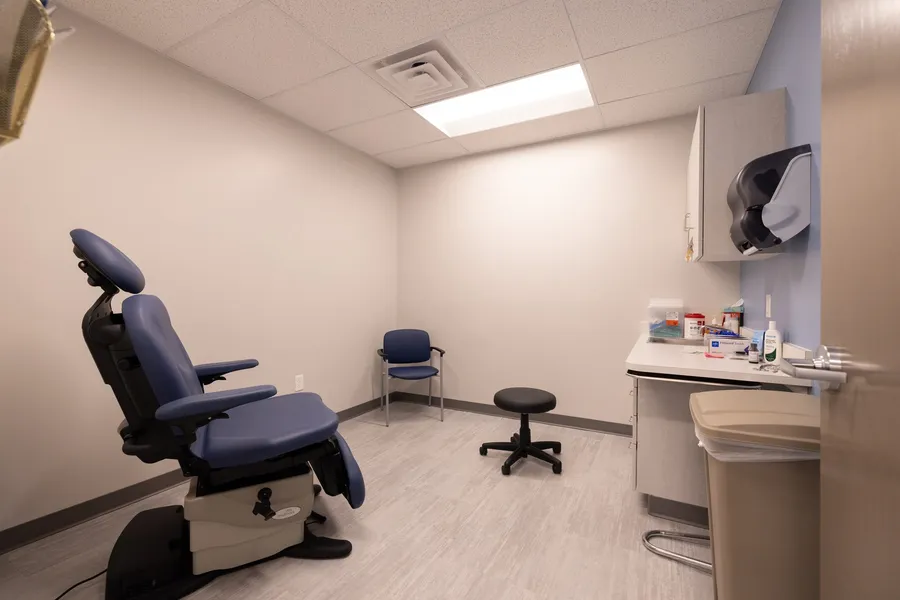
RevitalizeMe is a private outpatient wound care and hyperbaric center in Saginaw serving the Great Lakes Bay Region. You do not need a referral for a wound evaluation. At your first visit we will look at the wound, review your health history and medicines, check for the causes above, and build a care plan with you. We coordinate with your primary care doctor and other specialists.
We accept Medicare, Medicaid and most major private insurance plans. Our team will help verify your coverage and handle insurance paperwork. Call (989) 320-4434, Monday through Friday, 8 AM to 4 PM.